Autumn is a wonderful time of year; the leaves are turning, dogs are loving muddy walks and the nights are getting longer and cosier. While we want you to enjoy the season, there are some risks that you should be aware of to keep your pets safe.
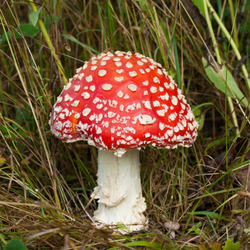
MushroomsWhile most mushrooms are safe to consume, identifying those that are non-toxic is difficult and best left to expert mycologists. It is therefore wise to always treat any wild mushroom ingestion as a poisoning. Ensure you keep your dog on a lead around any areas where fungi may grow. Removing and safely disposing of any wild mushrooms in your garden is a good idea. We recommend also working on your dogs ‘drop’ or ‘leave’ command.
If your pet ingests any wild mushroom, contact your vet immediately. Try to take a sample of the mushroom they have eaten or take photos (all the way around including the underside of the cap) to help identify the species. Remember, similar looking mushrooms can all grow next to each other, so if you take a sample it needs to be of the actual one they have bitten into rather than its neighbour to prevent misidentification.
|
 |
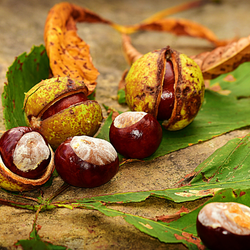
ConkersConkers contain a chemical called ‘aesculin’ which is toxic to dogs if ingested. There is also a risk of choking or an intestinal blockage should your dog decide those conkers look tasty. Signs of poisoning include vomiting, diarrhoea and drooling. Signs are usually seen within 1-6 hours of ingestion, however sometimes it can take a couple of days for symptoms to appear. If you believe your dog may have eaten a conker, contact your vet immediately so they can begin treatment. |
 |
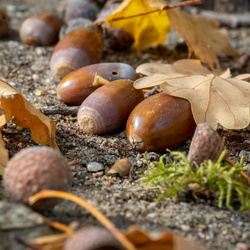
AcornsAcorns contain tannins which are toxic to dogs if ingested, causing damage to the liver and kidneys. Green, unripe acorns are more poisonous, and tannic acid can also be found in young oak leaves. Acorns, like any foreign body, could also cause an intestinal blockage if eaten. |
 |
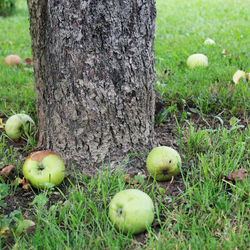
Fallen fruit and leavesAs fruit and leaves begin to rot and ferment, they pose a toxic risk to dogs if ingested. Keep dogs away from compost piles and pick up any fallen fruit from garden trees as soon as possible. Leaf piles can also hide pointy sticks or branches so avoid allowing your dog to leap into them!
|
 |
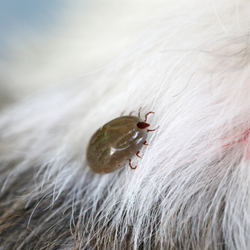
TicksTicks are prevalent in autumn and aside from being irritating, they can also transmit some nasty diseases like Lyme disease, Babesiosis, Ehrlichiosis and Anaplasmosis. You can prevent ticks with a parasite treatment available for both dogs and cats which repels or kills ticks before they can transmit any pathogens.
It’s a good idea to check your pet for ticks after they have been outside, especially if you are not using parasite control. Check on their faces, paws and legs especially. Pick up a ‘tick twister’ so that you can remove ticks safely. Squeezing, squashing or tweezing a tick can leave behind mouth parts and increase the risk of disease transmission.
|
 |
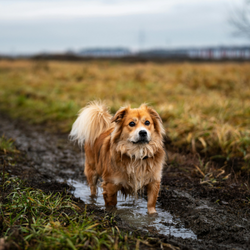
Alabama rotAlabama rot or Cutaneous and renal glomerular vasculopathy (CRGV) causes skin lesions and potentially fatal kidney failure in some dogs. While the disease is devastating it is thankfully incredibly rare. Contact your vet if you are worried that your dog may be displaying any symptoms, which can include vomiting, skin sores, lethargy, inappetence, paw licking and skin redness or swelling. For more information, visit https://www.alabama-rot.co.uk/ which has some excellent resources for worried pet owners.
|
 |
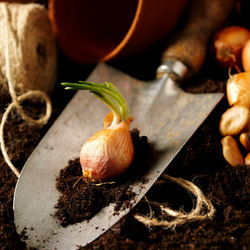
Spring BulbsIf you’re planting up spring flowering bulbs this autumn, be sure to keep them stored out of reach of pets and keep an eye on any dogs who love to dig things up in the garden! Daffodil, tulip and crocus bulbs can be toxic if ingested. The effects will depend on the amount eaten and the type of bulb, but the most common sign of ingestion is vomiting and gastrointestinal upset. |
 |
Call us on 01435 864422 if you are worried your pet may have ingested anything toxic.