 No one likes the idea of their pet having parasites, even thinking about it makes us all itch! Fleas, ticks and worms can cause serious (and costly) health issues for your pets, which is why most vets recommend a monthly parasite prevention for cats and dogs. However, there are some environmental concerns surrounding the overuse of anti-parasitics and the effects they can have on wildlife and the ecosystem.
Why do we still recommend parasite prevention?
We have to consider the health and welfare of our patients as well as the risk of disease to their human owners posed by certain parasites, such as roundworms and fleas.
We make our recommendations for parasite prevention based on each patient’s lifestyle and their risk of contracting parasites. For example, strictly indoor cats with no access to a garden are at much less of a risk of intestinal worms than an outdoor cat that voraciously hunts. We also base our recommendations on the geographical data for parasites; East Sussex is an area where lungworm, a potentially fatal parasitic infection for dogs, is known to be prevalent and as such, monthly lungworm prevention is recommended for all our canine patients.
How can we reduce the environmental impact of anti-parasitics?
Choose a tablet option where possible
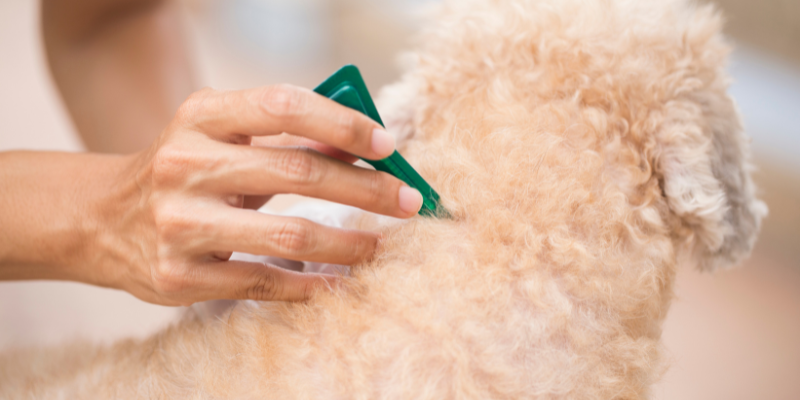
Topical treatments such as sprays and spot-ons are a major contributor to environmental contamination. ‘Spot-on’ treatments are liquids generally applied between the shoulder blades. These treatments are more likely to enter waterways due to pets being washed, swimming or from hand washing after applying the treatment. Where possible, topical treatments should be avoided where tablets would work equally well. There are several tablet options available for cats and dogs which provide excellent protection against parasites whilst still being palatable, though for cats particularly, tabletting can be tricky.
Use spot-on treatments correctly
If your pet does require a spot-on treatment it is important that it it used correctly at the intervals specified by the manufacturer to avoid unnecessary overuse.
Once a spot on treatment is applied, avoid stroking your pet until the product has completely dried to avoid contaminating your hands which will then need to be washed. It is not recommended any pets that swim, have hydrotherapy or require regular grooming are treated with a topical treatment.
Dispose of unused medication and packaging responsibly
If you have unused veterinary medication of any kind that has been purchased from us, this can be brought to the practice to be destroyed safely. Any packaging from anti-parasitics such as empty spray bottles or spot-on pipettes should ideally also be brought to the practice to be destroyed rather than being placed in household waste. If you purchased these items elsewhere, please contact them to find out about their policies for the safe disposal of these items.
Dispose of faeces and cat litter responsibly
Parasite treatments can be shed through your pets urine and faeces so it is important to dispose of these safely. Always pick up your dog’s poop and place it in the bin. Cat litter should be bagged and put into general waste, it should never be flushed down the toilet.
Use prescription parasite treatment/prevention rather than over the counter products
Prescription parasite products are more effective than over the counter treatments, they contain different active ingredients which have been rigorously tested to prove their effectiveness. This means that active parasite infections can be treated with prescription medication more quickly and effectively than with an over the counter treatment, using less harmful products. Over the counter parasite preventions are more likely to contain active ingredients harmful to the environment, such as fipronil, commonly found in non-prescription flea spot-ons.
Obtaining parasite prevention from your veterinary surgeon means your pet can be risk assessed for what prevention they may need, this is particularly important for dogs as lungworm prevention is only available with a prescription. Reducing the environmental impact of parasite prevention is part of the Royal College of Veterinary Surgeons core standards, which means vets are highly aware of which products should be recommended and which should be avoided if possible.
Call us on 01435 864422 if you have any concerns about your pet.