Heathfield Vets

Quality Care With A Friendly Face

01435 864422

Heathfield East Sussex TN21 8AD

01435 864422

Heathfield East Sussex TN21 8AD

  • Home
  • Your Vets
    • Meet the Team
    • Testimonials
    • About Heathfield Vets
    • Careers and Vacancies
  • Your Pets
    • Repeat Prescriptions and Food
    • Register Online
    • Pay Online
    • Platinum Pet Club
    • Insurance Claims
    • Pet Travel
    • Pet Advice Centre
    • Symptom Checker
    • Poisons Guide
    • Our Prices
  • Book Now
  • Emergencies
  • Services
    • Dental Care
    • Endoscopy
    • Laparoscopic (Keyhole) Spay
    • Laboratory testing
    • Laser Therapy
    • Neutering
    • Nurse Clinics
    • Orthopaedic Surgery
    • Ultrasonography
    • Vaccinations
    • Phovia Light Therapy
    • Pet Travel
    • Insurance
  • News
  • Contact

How To Avoid Ticks

26/07/2022 By Heathfield Vets

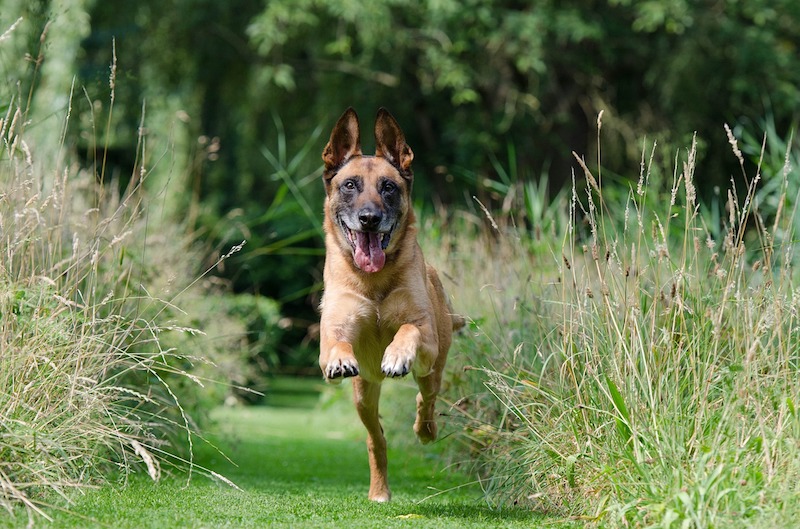
Dog - avoid ticks - advice from Heathfield vets

What are Ticks?

Ticks are small 6-legged blood sucking insects, which can spread some nasty blood-borne diseases to our pets – and humans too. These include Lymes disease. They can also cause anaemia.

They attach to the skin, usually when out walking in long grass.

How do I know if my pet has a tick – and how do I remove them?

It’s important to check your dog after every walk – and cats too when they come indoors – and remove any ticks you find, using a tool designed for this, to ensure they come out properly.

Female ticks are usually big enough to be visible; they may look like brown or red lumps on your pet’s skin. They are most commonly found on the head, neck, groin, armpits and paws. Male ticks are much smaller and you would have to comb through their fur and examine them quite closely to be able to see them.

Your dog or cat may well scratch at a tick that has latched on, so do check if you notice them doing this.

Ticks can also get into the ears, so if your pet is shaking their head then it is a good idea to take a closer look.

The removal tools, “tick twisters”, are simple plastic tools, available from our reception, as well as all pets shops, at minimal cost.

It’s important to twist the tick remover tool to remove the tick safely. Never pull, squeeze or crush a tick, as this can leave behind parts of the insect and increases the risk of infection.

Please do call us on 01435 864422 if you need advice on how to use a tick removal tool, or if you think you haven’t removed one properly.

Where are my pets most at risk?

Ticks populate wooded areas, overgrown fields and grassy gardens.

They are particularly active between Spring and Autumn, though vigilance throughout the year is recommended.

Dogs travelling abroad are also at greater risk, as many other countries, including  continental Europe, have some tick borne illnesses which are not present in the UK. So if you are planning to take your pet abroad, either on holiday or because you are moving there, please do check with us.

What can I do to prevent ticks?

The most important thing you can do as an owner is to stop tick bites before they happen and stay vigilant in recognising when your pet might be at risk.

There are several products available which can kill or repel ticks, including the latest regular parasite treatments.

Others come as spot-on treatments, tablets or collars, which are all easy to use and could save you pet from contracting a tick borne disease – some of which can affect pets for the rest of their lives.

Please do call us on 01435 864422 if you would like to get a suitable treatment for your pet, or need advice on ticks and tick removal.

Heathfield Vets – Quality Care With A Friendly Face

Filed Under: News Tagged With: cats, dogs, parasites, ticks

Pet Advice Centre

Pet Advice – Dogs

Pet Advice – Cats

Pet Advice – Rabbits

Pet Advice – Ferrets

Pet Advice – Chickens

Practice Information

Recent blogs

Puppy hiccups

Adder bites

What to do if your pet goes missing

Cat bite abscesses

Changes to the Leptospirosis vaccine

The 2025 pet Christmas gift guide

Puppy teething

Our response to the Competitions and Market Authority report

What does it mean to be RCVS accredited?

Setting up a hamster home

Cat Litter Tray Tips

Keeping your pets safe in autumn

Choosing the right pet food

Behavioural issues in dogs

New strain of Rabbit Viral Haemorrhagic Disease 2

Heathfield Vets wins ‘Best in County’ 2025

Choosing holiday care for your pet

How to choose a dog walker: A guide for pet parents

Referrals

Responsible of use of anti-parasitics

Heathfield vets - rcvs-accredited-practice-logo

Full emergency service 8.30 am to 7 pm weekdays and 8.30 am to noon on Saturdays
for all pets under our care

Plus emergency cover with VetsNow

Contact

      • 01435 864 422
    • vets@heathfieldvets.co.uk
    • Facebook
    • Chimneys
      Hailsham Road, Heathfield
      East Sussex, TN21 8AD

Opening Hours

Appointments
Mon-Fri 9.00am – 12.15pm
2.00pm – 6.00pm
Sat 9.00am – 11.15am
Reception
Mon-Fri 8.30am – 6.00pm
Sat 8.30am – 11.30am

Copyright © 2026 Heathfield Vets Ltd | Privacy policy | Cookies policy |Terms of use | Terms of business | Online portal

Scroll Up
MENU
  • Home
  • Your Vets
    • Meet the Team
    • Testimonials
    • About Heathfield Vets
    • Careers and Vacancies
  • Your Pets
    • Repeat Prescriptions and Food
    • Register Online
    • Pay Online
    • Platinum Pet Club
    • Insurance Claims
    • Pet Travel
    • Pet Advice Centre
    • Symptom Checker
    • Poisons Guide
    • Our Prices
  • Book Now
  • Emergencies
  • Services
    • Dental Care
    • Endoscopy
    • Laparoscopic (Keyhole) Spay
    • Laboratory testing
    • Laser Therapy
    • Neutering
    • Nurse Clinics
    • Orthopaedic Surgery
    • Ultrasonography
    • Vaccinations
    • Phovia Light Therapy
    • Pet Travel
    • Insurance
  • News
  • Contact