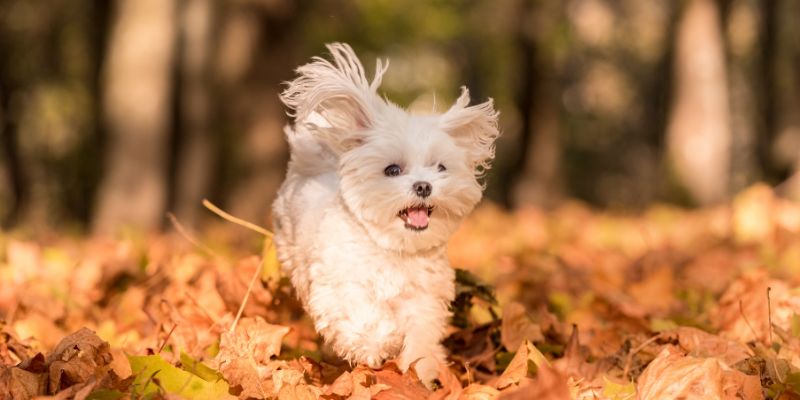
Summer has made way for crisp autumn mornings; fireside snuggles and pumpkin spice everything. This time of year is great for dog walking in the woods (if you don’t mind muddy paws) but it can also bring some new things to be aware of to keep our pets safe.
Mushrooms
At this time of year it’s common to see wild mushrooms pop up in lawns and woodlands. While most mushrooms are safe to consume, identifying those that are nontoxic or toxic is incredibly difficult and best left to expert mycologists. It is therefore wise to always treat any wild mushroom ingestion as a poisoning. Ensure you keep your dog on a lead around any areas where fungi may grow. Removing and safely disposing of any wild mushrooms in your garden is a good idea.
We recommend working on your dog’s ‘drop’ or ‘leave’ command; by making sure they will not consume something if you tell them not to, the ingestion of potentially fatal items can often be avoided.
If your pet ingests any wild mushroom, contact your vet immediately. Try to take a sample of the mushroom they have eaten or take a photo to help identify the species – photos need to be in focus and include the top side and the underside as well as a slice down the middle – your vet is unlikely to be an expert mycologist but there are groups that help identify them in an emergency. Alternatively, pick the remainder of the mushroom – it’s important it’s the mushroom they have eaten, not one nearby as different types can grow next to each other. If it is not possible to identify the species, then your pet will be treated based on their symptoms and the results of any testing the vet recommends.
Conkers
At this time of year conkers begin to fall from chestnut trees in abundance. Kids (and adults) love collecting these beautiful shiny seeds that are synonymous with the season. However, they can pose a real danger to your pup. Conkers contain a chemical called ‘aesculin’ which is toxic to dogs if ingested. There is also a risk of choking or an intestinal blockage should your dog decides those conkers look tasty.
Symptoms of poisoning include:
- Vomiting (sometimes with blood)
- Diarrhoea
- Abdominal pain and discomfort
- Drooling
- Muscle tremors
- In very severe cases respiratory paralysis leading to death
Signs are usually seen within 1-6 hours of ingestion, however sometimes it can take a couple of days for symptoms to appear. If you believe your dog may have eaten a conker, contact your vet immediately so they can begin treatment.
How to avoid a conker disaster this autumn:
- Watch dogs as they forage.
- Don’t throw conkers for dogs to catch – teach your kids the dangers too.
- Bring toys or treats on walks to distract dogs from picking up conkers.
- Watch for symptoms and contact a vet if you are concerned.
Acorns
Acorns contain tannins which are toxic to dogs if ingested, causing damage to the liver and kidneys. Green, unripe acorns are more poisonous, and tannic acid can also be found in young oak leaves. Acorns, like any foreign body, could also cause an intestinal blockage if eaten.
Symptoms of poisoning include:
- Vomiting
- Diarrhoea
- Stomach pain
- Loss of appetite
- Lethargy
If you think your dog may have eaten some acorns, contact your vet immediately. Discourage dogs from picking up acorns and keep a close eye on them as they forage during walks.
Fallen fruit and mouldy leaves
Apples, cherries and plums start to fall off this time of year and not only contain pips and seeds which could be toxic but could also make your dog unwell if they are mouldy or have begun to ferment. Rotting leaf litter can also cause gastrointestinal upset if your dog decides to explore. Keep your garden clear of anything moudly, especially if you have a dog that will eat anything!
Flowering bulbs
If you’re putting in your daffodil and tulips bulbs ready for spring, be sure to keep them out of reach of pets. These sorts of bulbs are toxic and can cause serious gastrointestinal upset. If your dog is a digger, make sure they can’t access any areas where bulbs have recently been planted or ensure they are always supervised.
Bonfire night
Autumn also means bonfire and fireworks, be aware of spent sparklers and fireworks in your garden and when out and about. Check out our guide to making preperations for your pet.
Call us on 01435 864422 if you are worried your pet may have eaten something toxic.