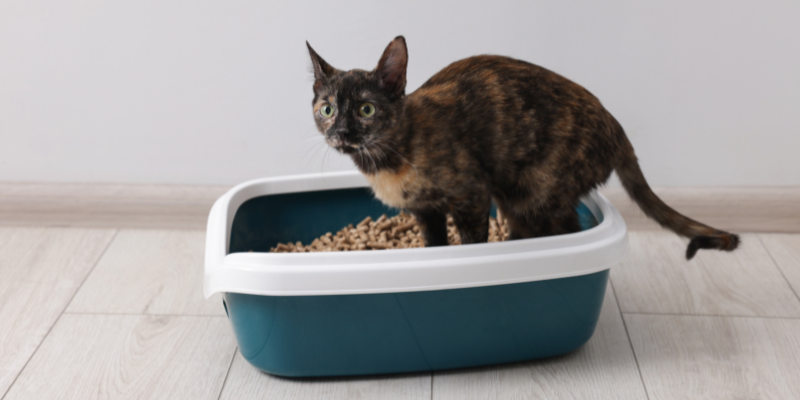
 Cats are very private when it comes to toileting, and their preferences can be personal to them. If you have a new cat or kitten, you may need to try a few different setups to find what works for them. Cats will naturally try to find a a toilet area where they can dig and bury, that’s why kittens will instinctively use a litter tray if there is one close by. A cat urinating in inappropriate places inside the house is a sign that something is wrong, either an underlying medical condition or a problem with their litter tray. We recommend speaking to your vet first if you are concerned about your cat’s urinating habits. It’s also a good idea to consider any recent changes in the house that may be affecting how comfortable they are using a litter tray.
Choosing a litter tray
The litter tray should be easy for your cat to get in and out of and large enough for them to be able to turn around in easily (generally this is around one and half times the length of your cat from nose to the base of their tail). We recommend a plastic rectangular litter tray as they are easy to clean and allow your cat to move around.
Covered trays
Covered tray are convenient as they hide soiled litter and reduce odour for the rest of the household, and many cats do adapt to using them. It’s important to ensure that they are spot cleaned regularly as cats are less likely to use a tray that is soiled. While a covered tray may seem to offer privacy for your cat, they can actually make your cat feel more vulnerable. Cats generally prefer an open litter tray where they can see everything that’s going on around them rather than a confined space with only one exit.
Self cleaning trays
An increasingly popular option and very convenient for owners who aren’t keen on scooping, these trays tend to be a turn off for cats though. The trays are usually a bit on the small size and the random noises and movements they make can spook our feline friends.
How many trays?
As a general rule you should have one tray for each cat, plus one. So, for a single cat household you need two trays and for three cats you’ll need four trays.
Where to place them
Trays should be placed in a quiet spot away from busy areas, doorways, corridors and cat flaps. They should also be placed away from your cat’s food, water and sleeping areas as cats like to keep these separate. Don’t place trays next to each other, they should be spread out in the house, both upstairs and downstairs. If your cat isn’t using a particular tray, try moving it to a new location.
Types of litter
There are lots of litter options out there from wood or paper to silica based substrates; as long as the litter is cleaned and changed regularly your cat will likely be happy. Cats tend to determine their litter preference as kittens so it’s best not to change this too much as they age. If you adopt an older cat and you’re not sure what they are going to prefer, try a fine, sandy litter as this is similar to the substrate wild cats would use and most cats instinctively favour this. Clumping litter is a good option as it’s easier to scoop and your cat will appreciate the cleaner litter tray. You’ll need about 3cm of litter in the tray to allow for digging; if your cat is a litter kicker you may need some newspaper or a mat underneath to catch over spill!
Avoid scented litters, cats have sensitive noses and it might put them off using the tray. Many litters have odour-neutralising properties without the need for strong scents.
To line or not to line?
That is the question! While liners make clean up easier, cats don’t tend to like the feel of them underfoot and can get their claws caught in them, so best to avoid.
Cleaning
- Remove pee and poo as soon as possible, generally this needs to be done twice a day.
- Throw out all the litter once a week and clean the tray in hot water and a mild biological detergent.
- Covered trays can retain smells and may need to be fully washed a couple of times a week.
- Ensure your cleaning detergent is cat friendly and not heavily scented.
Does my outdoor cat need one?
Yes, even cats who generally toilet outdoors should have access to an indoor litter tray to use in bad weather or an emergency. You also want them to know how to use one if they ever need to be kept in the house before a vet visit or after a surgical procedure.
Special considerations
Kittens will need a smaller sized tray to begin with which can be increased in size as they grow. Senior cats may benefit from a tray with a lower side that’s easier to get in and out of. You may also need to move their trays to easier to access locations if they are struggling with stairs, and possibly add in more trays if they aren’t moving as quickly as they used to and can’t make it to the litter tray in time.
Cleaning up accidents
If your cat has had an accident in the house, cleaning the area and removing any lingering scents is important to deter them from going there again. Cleaning the area with hot, soapy water is advised followed by an enzymatic cleaner specifically designed to break down biological stains like urine and faeces.
Call us on 01435 864422 if you are concerned about your cat’s toileting habits.