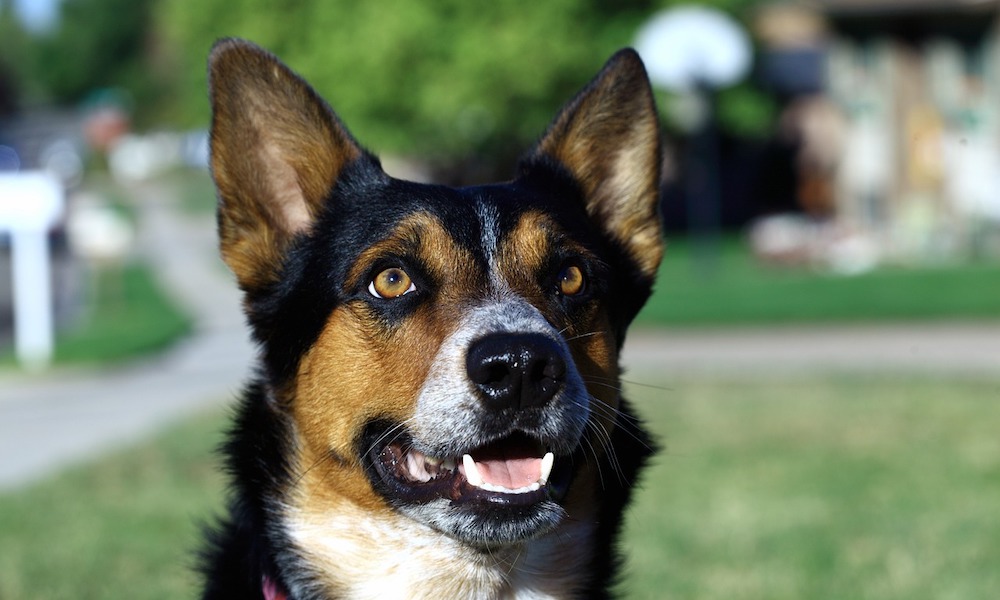
 In recent years there has been an increase in the number of UK cases of a disease called Brucella canis. It is a disease prevalent in mainland Europe, but previously rarely seen in the UK. It is believed that an increase in imported dogs from countries where the disease is endemic and a lack of required testing has led to the rise in cases. As well as the risk of infection to other dogs in the household, one of the biggest concerns is that Brucella canis is a zoonotic pathogen and can be passed to humans, leaving owners and veterinary professionals at risk of infection. We recommend all foreign rescue or privately imported dogs, or their offspring, are tested for Brucella canis, regardless of how long they have been in the UK.
Due to the risk of transmission to humans, many external laboratories (the places where your pet’s blood, urine, faeces and histology samples are sent to for interpreting and diagnosis) and referral centres (where your pet receives specialist care for illnesses or injuries) now require pre-screening tests for Brucella canis prior to handling any high risk samples or patients who have been imported from outside the UK, in order to reduce the risk of transmission to their staff and the potentially devastating consequences on their health. This means treatment or diagnostics for other, non-related conditions could be delayed due to the requirement for this testing if it has not already been undertaken, as culturing your pet’s urine or faeces, or handling their bodily fluids for testing, cannot be done until the test has been carried out. It is very likely that the requirement for pre-screening will become standard across the UK, including your local veterinary practice, as this has already started being implemented by a number of practices. By undertaking our recommendation to test now, this will allow your pet to access all the care they need without delay, protect your veterinary team and also protect you, as the person who may be unknowingly living with a dog that is infected.
What is Brucella canis?
Brucella canis is spread through contaminated tissues and fluid, particularly those associated with breeding. It can also be shed in bodily fluids such as urine, blood and saliva. A lot of foreign rescues are originally unneutered street dogs, so they spread Brucella canis between each other when they mate, and from mum to pup if they give birth, making it particularly prevalent in European countries with high stray populations.
In dogs, brucellosis may not result in any obvious symptoms but causes reproductive issues such as infertility and abortions as well as muscle weakness, lethargy and premature aging. Unfortunately, infected dogs are infected for life; there is no effective elimination treatment for the disease. Sadly, the only way to completely ensure no risk of transmission is euthanasia, although owners of infected dogs can also choose to undertake measures to reduce transmission, such as antibiotic therapy and neutering; these options and their risks should be discussed with your veterinarian following diagnosis. Please be reassured that we are not recommending this testing because we are expecting a high number of positive tests; we are primarily concerned by the fact that we will struggle to provide effective treatment for your pet if they even have something as basic as a urinary tract infection, or in more serious cases, that they will struggle to access specialist veterinary care at a referral centre.
How can it affect humans?
The symptoms of Brucella canis infection in humans include fever, fatigue, headaches, loss of appetite and joint pain. If left untreated the disease can lead to serious complications. Young children, immunosuppressed people and those who are pregnant are more likely to develop symptoms and more serious illness.
More can be read about the impact of Brucella canis on humans here.
Which dogs are at risk of carrying Brucella canis?
High risk countries for Brucella Canis include Albania, Belarus, Bosnia & Herzegovina, Bulgaria, Canada, Croatia, Czechia, Cyprus, Estonia, Greece, Hungary, Latvia, Lithuania, Malta, Montenegro, North Macedonia, Poland, Republic of Kosovo, Republic of Moldova, Romania, Russian federation, Serbia, Slovakia, Slovenia, Turkey, Ukraine and USA. If you have a dog that has visited or been rescued/imported from one of these countries they are considered to be at risk of having been infected with Brucella canis.
However, due to the freedom of movement in the EU, any dog imported from outside the UK, regardless of their country of import, is considered to be high risk as their travel history is unknown. Many rescue dogs have had a difficult start in life, possibly living on the streets, where they may have come into contact with infected dogs. Brucella canis can also affect dogs that have been bred abroad and imported into the UK, so it is not solely an issue affecting stray dogs.
What restrictions are being put in place?
Heathfield Vets
We currently are not imposing any restrictions on registering or treating dogs that have originated from outside the UK. We will be asking clients about the origins of their dogs so as to be able to advise them correctly about the risks of Brucella canis and the recommendations for testing. If a patient is considered to be at risk of a potential Brucella canis infection and has not undergone testing, our team will assess the risk on a case by case basis and additional precautions may be put into place to protect our clinical staff and other canine patients.
External laboratories
Currently, our laboratory has imposed restrictions on samples from dogs that have originated from outside the UK. The laboratory will not run high-risk testing on certain samples (as mentioned above, a common one is urine cultures which we need to help effectively treat urine infections) without a negative test for Brucella canis. This may mean that diagnosis and treatment will need to be delayed until a blood sample can be taken and tested. It will also incur additional expenses if we have to send two samples as sometimes, part of a test will be better than nothing so you would bring in one sample for initial partial testing, and then a fresh one will be required once Brucella canis results have been returned so the high-risk part of the test can be run – where these are done together on the same sample, there is a discount applied.
Vets Now – our out of hours emergency partner
If your dog has travelled in Eastern Europe or is in contact with a travelled dog, you may be asked whether your dog has previously undergone testing for Brucella canis and you may be asked to provide proof of a negative Brucella canis test to the clinician treating your pet.
If your dog has not undergone testing previously but is considered a high-risk patient for possibility of Brucella canis infection based on a risk assessment, then the staff will be required to take additional precautions including wearing personal protective equipment whilst handling your dog, and limiting contact with other dogs in the clinic or hospital.
You may be offered an in-house test for Brucella canis and will be advised this needs to be followed up with a test at an external laboratory for confirmation (or otherwise) of a positive or negative result. This may be done at Vets Now or with your normal daytime veterinary practice. For a suspected or confirmed positive case the clinician will discuss with you the most appropriate options for treatment.
Lifesaving surgery or treatment will not be refused, however additional precautions will be taken such as barrier nursing or isolation kennelling, and additional measures may need to be taken to protect pregnant or immunocompromised staff and patients on site. Non-lifesaving and emergency procedures will be delayed where possible, and you may be asked to follow up with your usual daytime practice for routine treatments such as these.
Referral centres and other practices
Other veterinary practices and referral centres will have their own protocol regarding the risk of Brucella canis, for example the Queen Mother Hospital for Animals warns that diagnostics and treatment may be delayed for any untested dogs at risk of Brucella canis infection.
Advice for owners of imported dogs or foreign rescues
If you have rescued or privately imported a dog from outside the UK we recommend that they are tested for Brucella canis via the UK government’s Animal Plant and Health Agency (APHA) laboratory. This testing is comprehensive with an extremely low rate of false positive results (unlike some in-house snap tests) and can be used as proof of a negative result for the rest of your dog’s life (provided they do not travel to a high-risk country after testing) with other veterinary practices, laboratories and referral centres. We recommend that this testing is undertaken now, regardless of whether your dog has any health concerns so that we can provide them with effective veterinary care – this will be difficult to do when the scope of testing or referral options is limited because they have not undertaken the testing. If your pet has regular blood tests for a chronic condition, we can take the sample at the same time as their next blood test; just be aware if that is some way off, their care in the mean time may be delayed or limited if anything arises. If your pet has previously had a snap test, please be aware that this will not be accepted as an accurate test result by most practices or referral centres, and will not be accurate enough for some laboratory tests – we do recommend undertaking the APHA tests in addition as we expect testing requirements to become more stringent over the coming months. In most cases, the snap test will have been carried out as your pet has a current health concern that cannot wait for the APHA results to be returned.
Testing needs to be performed at least 3 months after your dog’s arrival in the UK and it can take up to 21 days for results to be received. Even if your dog has been in the UK for years with no symptoms, they will still need to be tested. In order to test your dog, your vet will take a blood sample which we will send directly to the APHA laboratory. We recommend owners retain a copy of their dog’s negative test results so that they can be shown to any other veterinary practice that requires them.
Some imported dogs may have been tested by the rescue centre before or just after arrival in the UK, this testing should be repeated at least 3 months after arrival in the UK.
If your imported or rescue dog has been used for breeding, we would also recommend that any puppies resulting from this are tested for Brucella canis. If you are aware that your dog was bred from an imported dog, this would apply as well.
Advice for owners travelling with their dog outside the UK
If you are planning a holiday, especially to a high risk country, it is important to keep them on a lead and avoid contact with any native dogs. This will keep the risk of Brucella canis infection low. As long as dogs have been managed sensibly when travelling, they will generally not require testing for Brucella canis. If you are holidaying with your dog it’s important to also be aware of other diseases that your dog could catch, including Leishmaniasis and Erlichia. Speak to your vet about appropriate parasite protection before you go and make sure your dog is safe while travelling with you.
If you would like more information about Brucella canis, please refer to the governments advice page for owners.
Call us on 01435 864422 if you have any questions about Brucella canis.