 What are antimicrobials?
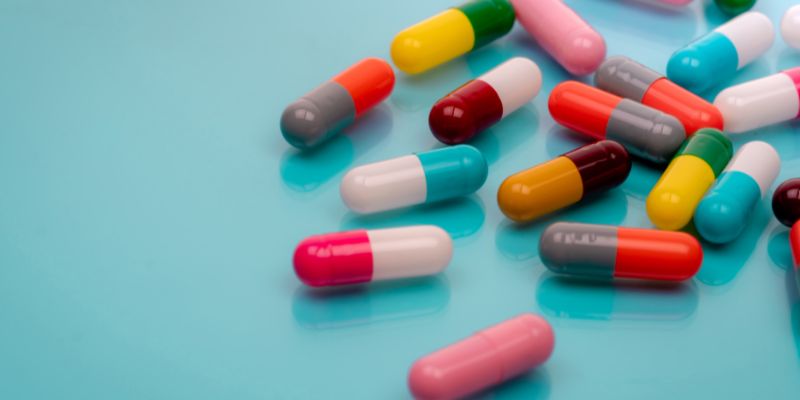
‘Antimicrobials’ include antibiotics, antiparasitics, antivirals and antifungals and are essential to the treatment and prevention of the spread of diseases in both animals and humans.
What is antimicrobial resistance (AMR)?
Antimicrobial resistance (AMR) is the ability of microorganisms (such as bacteria, viruses and some parasites) to stop an antimicrobial (such as antibiotics, antivirals, and antimalarials) from working against it. This can cause treatments to become ineffective. The World Health Organisation considers AMR to be one of the top global health threats and it is important that health professionals and the general public work together to combat the problem.
Although the science behind AMR can be complex as all of the microorganisms develop resistance slightly differently, it can be summarised as:
Resistance is developed by microorganisms mutating. In some cases, this mutation is advantageous to the microorganism and means the medication given to kill them is no longer effective – they have become resistant. This makes them the ‘survivors’, who can continue to multiply and potentially spread. The chance of this happening is increased if:
- The incorrect medication is used to try and treat the problem
- The course of medication is not given consistently (e.g. there is a gap in treatment)
- The course of treatment is not completed (e.g. stopped too early)
- Treatment is given when it is not necessary
- Treatment is given when it has not been prescribed for that patient and illness (e.g. old medication from a previous illness is used)
What are vets doing to combat antimicrobial resistance?
Vets must follows guidelines laid out by the Royal College of Veterinary Surgeons when prescribing antimicrobials, these include:
- Ensuring an animal is seen for a physical examination before prescribing antimicrobials. For antiparasitics (flea and worming treatment) this means the patient must have had an examination within the last 12 months. For antibiotics, antifungals and antivirals we will need to see the patient for an initial examination as well as for re-examinations until the condition is resolved. Your vet will check that the course of treatment is having an effect, and will look to see how much of an effect it is having; your pet’s response to treatment will determine if more medication is needed, and how much of it.
- Only prescribing antibiotics, antifungals and antivirals where necessary and appropriate. For example, it is no longer considered necessary or appropriate to provide antibiotics after every surgery that is carried out, as most surgeries have a low risk of infection and the majority never need antibiotics.
- Choosing the “right drug for the right bug”. This means using diagnostic testing where necessary to identify the target species of bacteria or virus so a narrow spectrum antimicrobial can be used. This means the microorganism causing your pet’s symptoms are targeted.
- Prescribing broad spectrum antiparasitics (flea, tick and worm treatment) where possible, reducing the quantity of different products a patient requires for full parasite protection. The prescribing vet should also ensure, where possible, that patients are not receiving ‘over protection’ with multiple products protecting against the same parasites.
- Informing owners of the benefits of regular pet health checks and advising clients of the best practices to reduce infection (e.g. post operative wound protection, routine and preventative dental care and good hygiene practices to prevent the spread of infection).
What can owners do to combat antimicrobial resistance?
- Always finish the course of medication as prescribed by your veterinary surgeon and do not stop giving the medication when your pet’s symptoms resolve. Completing the course ensures that the disease-causing microorganism are killed or unable to reproduce, preventing an infection from returning. If you do not complete the course, the symptoms may resolve but there is still a low level of the microorganism in your pet’s system – once they’ve been off the medication for a short period of time, these bacteria will then multiply again and symptoms will recur. It is not an exact science – your vet will prescribe the amount of medication they believe will be necessary to resolve the problem initially, but this is linked to the next recommendation:
- Attend re-examinations as recommended by your vet, within the timeline they have advised. In some cases your veterinary surgeon may need to extend a course of antibiotics if the original infection has not resolved, this means they need to see your pet before the end of the initial course so that it can be extended without a break in treatment. A break in treatment gives a chance for the medication levels in your pet’s body to reduce, and for the microorganism to multiply again, meaning some of the effect of the initial course is lost. It is best that there is no gap between the initial course and any extension of the treatment.
- Completing a course means you should never have leftover medication. You should also not share medication between animals. If you do, you might be giving the wrong drug for the wrong bug; this means your pet’s symptoms continue, possibly worsen and they have a delay in treatment, leaving them feeling unwell and most likely in pain. Only ever use medication as directed by your veterinary surgeon for the pet it is prescribed for.
- In rare cases, you may find your pet reacts to a medication and they need to have their course of treatment changed because, for example, they throw the medication up each time it is given; the remainder of the course of treatment should be returned to your veterinary practice for safe disposal.
- Always dispose of unused medication correctly by returning it to your veterinary practice.
Call us on 01435 864422 if you have any questions about your pet’s antimicrobial medication.